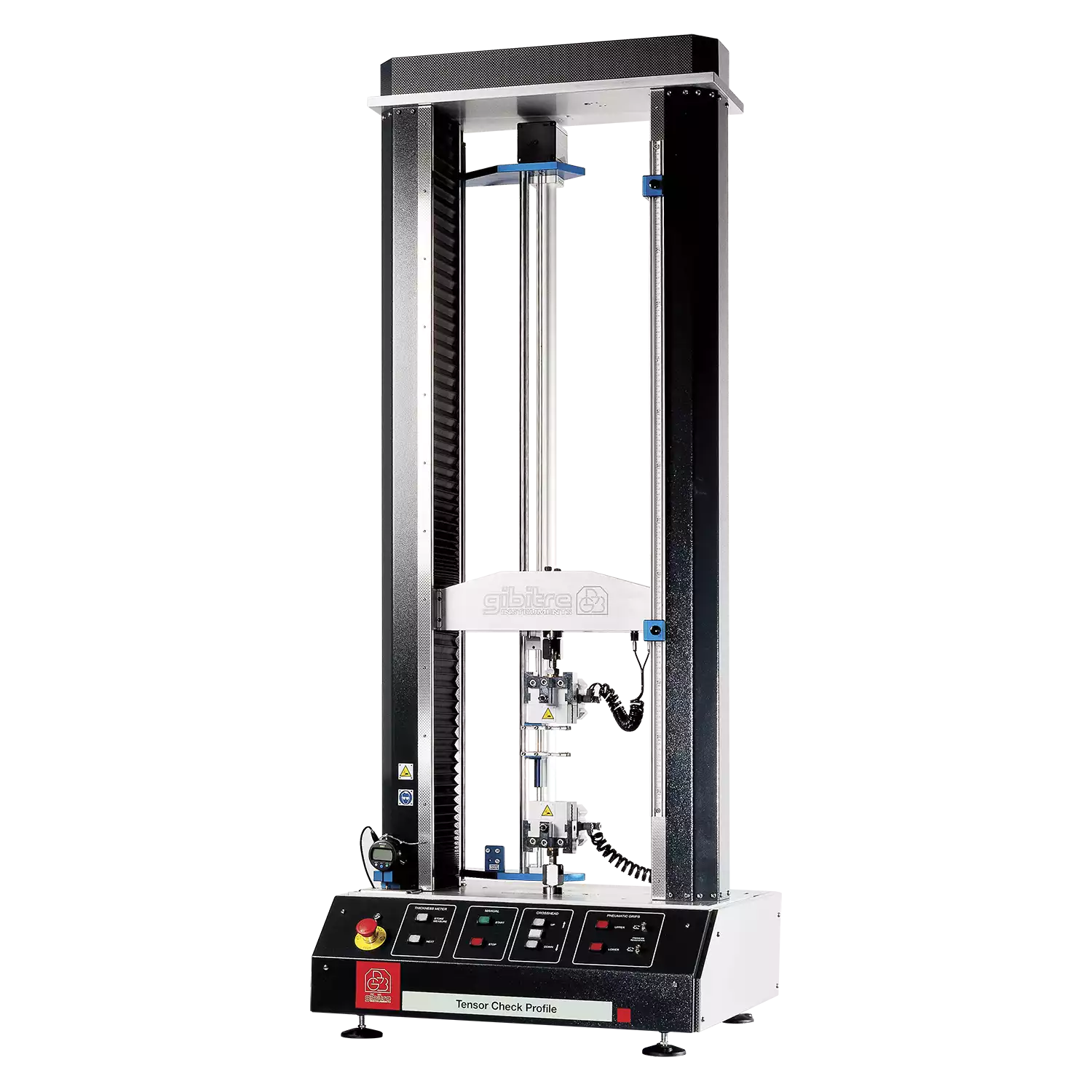
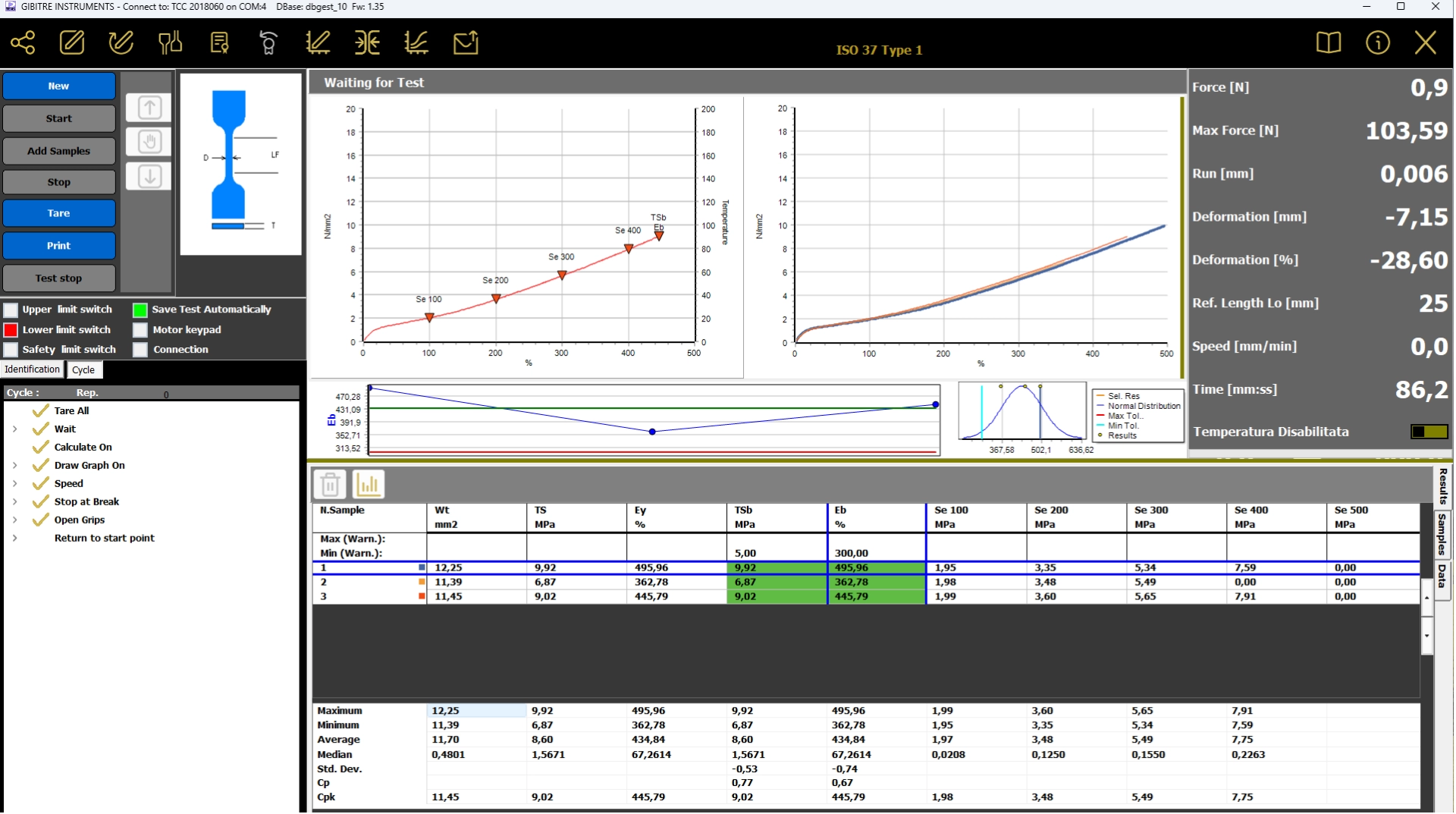
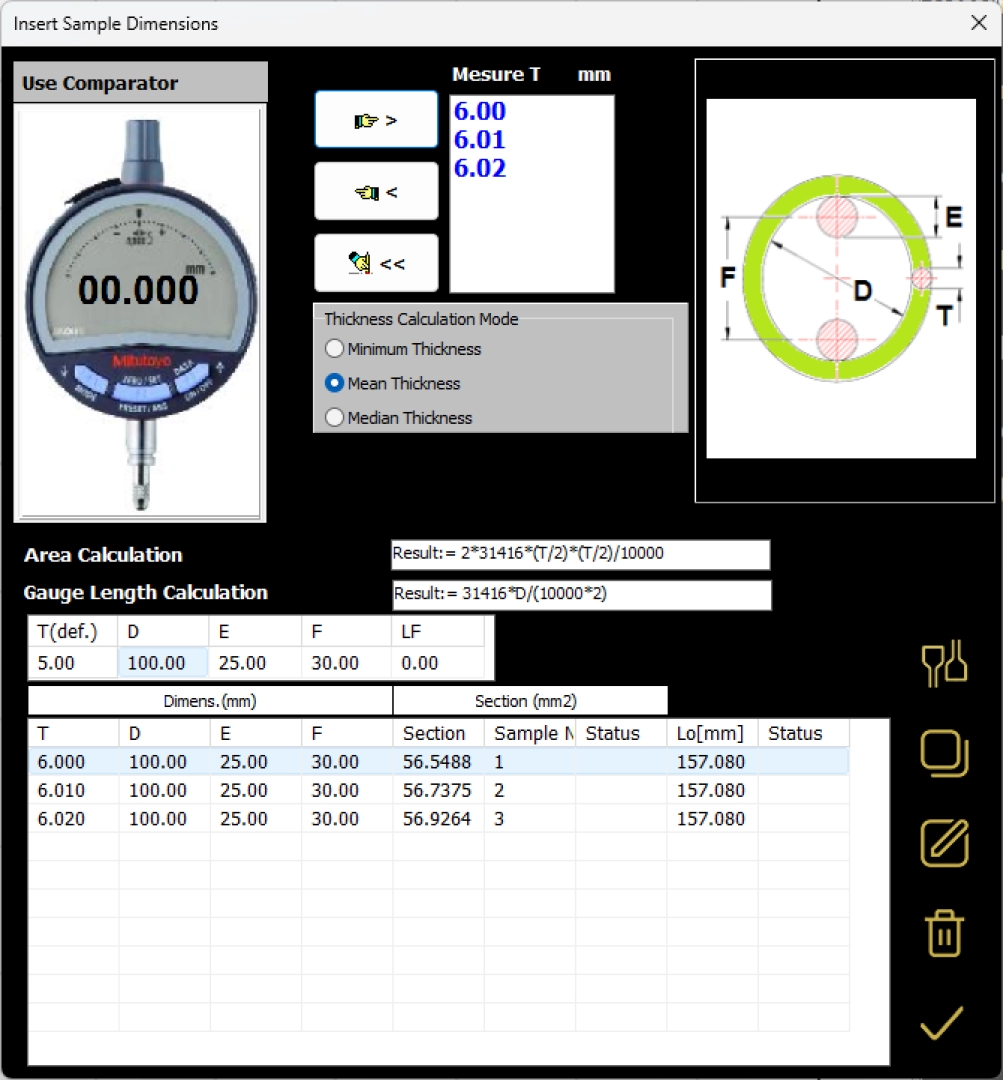
Tires
Adhesion of Tire Cords and Other Reinforcing Cords to Rubber Compounds by H-Test ProcedureASTM D4776
PSTC 16
Loop Tack
PSTC 16 establishes the test method for measuring peel resistance of pressure-sensitive adhesive tapes. This specification applies to single-layer and multi-layer adhesive-coated tape products, quantifying the force required to remove tape from a standardized reference surface. The test involves applying the tape to a specific substrate and performing a 180° peel operation under controlled speed and temperature conditions. The standard provides critical data on adhesive performance and bond durability, essential for validating tape reliability in industrial and commercial applications.
PSTC 16 standard webpage
EN 205
Adhesives - Wood adhesives for non-structural applications - Determination of tensile shear strength of lap joints
EN 205 establishes a standardized test method for evaluating the shear strength of adhesive-bonded joints in elastomers, rubbers, and plastic materials. The procedure involves subjecting rectangular test specimens to controlled shear stress conditions, enabling assessment of adhesive performance and bond quality between substrates. This testing approach provides critical data for ensuring structural reliability of adhesively-assembled components, making it essential for quality control and product certification throughout manufacturing and assembly operations.
EN 205 standard webpage
DIN 281
Parquet adhesives; requirements, testing, instructions for processing
DIN 281 establishes standardized test methods for evaluating the tear resistance of natural and synthetic elastomers and rubber materials. The standard employs controlled tearing tests on prepared specimens to measure the energy required to propagate a crack through the material structure. Primarily applicable to rubber products in demanding applications such as seals, hoses, and industrial elastomeric components, this standard delivers reproducible data essential for material qualification and production quality assurance. The testing approach ensures consistent, comparable results across development and manufacturing phases.
DIN 281 standard webpage
EN 1372
Adhesives. Test method for adhesives for floor and wall coverings. Peel test
EN 1372 specifies a rotating drum abrasion test method for evaluating the wear resistance of elastomeric materials and rubber compounds. The test quantifies material loss through mass and volume reduction under controlled friction conditions, providing standardized performance data for comparative assessment. Applicable to vulcanized rubbers, thermoplastic elastomers, and rubber articles, this standard is essential for demanding applications such as tires, footwear, seals, and industrial components exposed to mechanical wear and abrasion.
EN 1372 standard webpage
EN 1939
Self adhesive tapes - Determination of peel adhesion properties
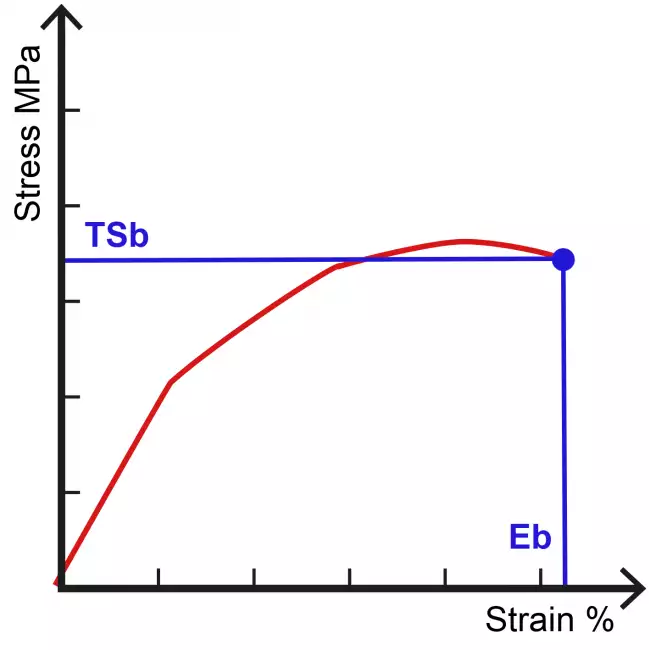
EN 1939 establishes standardized test methods for evaluating the tensile strength and elongation at break of elastomeric materials, encompassing natural rubber, synthetic rubber, and thermoplastic elastomers. The standard defines comprehensive procedures for specimen preparation, testing conditions, and assessment criteria for fundamental mechanical properties. Applicable to both vulcanized and unvulcanized elastomers, it enables consistent characterization of material behavior under tensile stress, ensuring reproducible and comparable results across different testing laboratories.
EN 1939 standard webpage
AFERA 4015
Quick Stick
AFERA 4015 establishes test procedures for evaluating creep resistance in pressure-sensitive adhesives (PSA) applied to flexible substrates. This specification covers adhesive tapes, self-adhesive labels, and films utilized across various industrial applications. The test method involves applying a standardized weight to vertically mounted bonded samples and measuring progressive displacement over time, thereby assessing the adhesive's ability to maintain bond integrity under sustained static load. This approach effectively simulates real-world service conditions and performance requirements.
AFERA 4015 standard webpage
ISO 4587
Adhesives — Determination of tensile lap-shear strength of rigid-to-rigid bonded assemblies
ISO 4587 establishes a test method for evaluating the tensile strength of structural adhesives through peel testing on single-lap specimens. Designed for elastomers, elastomeric adhesives, and polymer formulations used in industrial and construction applications, this standard measures the force required to separate two bonded surfaces under controlled conditions. The test provides critical performance data on adhesive behavior under tensile loading, enabling manufacturers and users to assess adhesive quality and durability in demanding applications where reliable bonding is essential.
ISO 4587 standard webpage
AFERA 5001
Measurement of Peel Adhesion from Stainless Steel or from its Own Backing ISO 29862 - EN 1939
AFERA 5001 establishes the test method for measuring peel resistance of pressure-sensitive adhesives (PSA) applied to flexible substrates. The standard applies to adhesive tapes, labels, and other self-adhesive elastomeric products used in commercial and industrial applications. The test involves peeling the adhesive material at 180° or 90° angles from standardized surfaces and quantifying the force required for separation. This parameter is critical for assessing adhesion quality and reliability across diverse end-use scenarios.
AFERA 5001 standard webpage
AFERA 5004
Breaking Strength and Elongation of Adhesive Tape ISO 29864 - EN 14410 2003
AFERA 5004 establishes the test methodology for evaluating peel resistance of pressure-sensitive adhesive tapes by quantifying the force required to separate the tape from a standardized substrate. The test employs controlled-rate tensile equipment to measure adhesive bond strength under defined conditions, with results expressed in Newtons per meter of tape width. Applicable to industrial and commercial adhesive tape products, this standard provides essential quality parameters for assessing adhesive performance, durability, and suitability for specific applications.
AFERA 5004 standard webpage
GFT 6004
Breaking Strength and Elongation of Adhesive Tape ISO 29864 - EN 14410 2003
GFT 6004 establishes procedures for measuring tensile strength and elongation at break in vulcanized rubber and elastomeric materials. Applicable to rubber specimens of varying geometries and thicknesses, this test method characterizes mechanical performance under uniaxial tensile loading by controlled extension until specimen failure. The procedure records stress-strain data to evaluate critical properties essential for assessing material quality and suitability in industrial, automotive, and sealing applications, providing fundamental data for elastomer performance validation.
GFT 6004 standard webpage
ISO 11339
Adhesives — T-peel test for flexible-to-flexible bonded assemblies
ISO 11339 establishes a test method for evaluating tear resistance in elastomers, vulcanized rubbers, and thermoplastic elastomers through tensile testing of notched specimens. The procedure employs standardized test pieces with a defined notch, subjected to tension until rupture, measuring the energy required for crack propagation under stress concentration. This method is essential for assessing material performance in applications demanding high durability and resistance to crack initiation from defects or stress concentrators, providing critical data for quality control and material selection in demanding industrial applications.
ISO 11339 standard webpage
ISO 29862
Self adhesive tapes — Determination of peel adhesion properties
ISO 29862 establishes a standardized method for evaluating tear resistance in elastomeric materials through tensile testing of specially shaped specimens. The standard applies to vulcanized elastomers, including natural and synthetic rubbers, providing critical data on a material's ability to resist crack propagation under mechanical stress. This test procedure is essential for quality assurance and material qualification in demanding applications such as seals, gaskets, and other rubber-based components where tear resistance is a critical performance requirement.
ISO 29862 standard webpage
PV 3410
PUR Flexible Foam - Testing Methods
PV 3410 assesses the ozone resistance of elastomeric materials and rubber compounds through static exposure testing in controlled environmental chambers. The standard evaluates how elastomers perform when subjected to defined ozone concentrations under controlled temperature and humidity conditions, monitoring surface degradation and crack formation. This test method is essential for qualifying rubber components intended for use in ozone-rich environments, including automotive parts and industrial applications exposed to atmospheric pollutants.
PV 3410 standard webpage
PV 3973
Elastomer O-Ring
Determining Tensile Strength, Elongation at Tear and Stress Values in theTensile Test
This test method evaluates the ozone resistance of elastomers and polymeric materials subjected to static strain in a controlled ozone atmosphere chamber. Primarily applicable to natural and synthetic rubbers used in demanding applications requiring durability in oxidative environments, the standard measures surface crack and lesion formation to assess material performance. It provides critical qualification data for elastomeric components intended for service under combined chemical and mechanical stress conditions.
PV 3973 standard webpage
FIAT 50405
Prova di Trazione della gomma
FIAT 50405 specifies requirements and test procedures for evaluating the thermal aging resistance of vulcanized elastomers and rubbers used in automotive components. The standard requires controlled heat exposure of material samples over defined periods, followed by measurement of mechanical property changes—including tensile strength, elongation, and hardness—to assess long-term durability under thermal stress. Applicable to seals, gaskets, and elastomeric parts for FIAT vehicles, this specification ensures reliable performance in thermally demanding operating conditions.
FIAT 50405 standard webpage
FIAT 50409
GOMMA VULCANIZZATA - Isteresi statica a compressione
FIAT 50409 establishes a specification for evaluating the thermal aging resistance of elastomers and vulcanized rubber compounds. The standard subjects material samples to elevated temperatures over extended periods, monitoring changes in critical mechanical properties including hardness, tensile strength, and elasticity. This test methodology is specifically designed for vulcanized rubber components used in automotive applications such as seals, hoses, and thermally stressed parts, ensuring that elastomeric materials maintain adequate performance and durability throughout their service life in demanding automotive environments.
FIAT 50409 standard webpage
FIAT 50412
Prova di lacerazione della gomma
FIAT 50412 specifies the resilience and elasticity properties of rubber materials used in automotive applications through rebound height measurement testing. The standard applies to elastomers and rubber compounds employed in dynamic seals, shock absorbers, and similar components subject to continuous mechanical stress. The test procedure involves applying a controlled force to a normalized specimen and measuring the height of rebound after deformation, with results expressed as a resilience percentage. This specification ensures that materials meet the functional and performance requirements essential for reliable automotive service.
FIAT 50412 standard webpage
VDA 675-205
Tensile properties - Elastomer components in automotive - Test methods for determination of characteristics - Tensile stress-strain properties - Tensile test
VDA 675-205 specifies requirements for assessing ozone resistance in elastomers and elastomeric materials used in automotive applications. The standard establishes a testing methodology that exposes specimens to ozone under controlled conditions of temperature, humidity, and concentration, measuring crack formation and changes in mechanical properties. It applies to natural and synthetic rubber components subjected to both static and dynamic stressing in oxidizing environments, ensuring long-term durability and performance of seals and elastic elements in automotive systems.
VDA 675-205 standard webpage
ISO 12046
Synchronous belt drives — Automotive belts — Determination of physical properties
ISO 12046 specifies test methods for evaluating the abrasion and wear resistance of elastomers and rubber materials by subjecting standardized specimens to controlled friction against defined abrasive surfaces. Applicable to vulcanized rubber, thermoplastic elastomers, and related polymeric materials, this standard measures specimen mass or volume loss to provide critical performance data. It enables manufacturers to assess material durability and quality for wear-prone applications including tires, seals, and technical rubber goods, ensuring products meet demanding service requirements.
ISO 12046 standard webpage
ASTM B557
Tension Testing Wrought and Cast Aluminum-and Magnesium-AlloyProducts
ASTM B557 establishes standardized test methods for evaluating the mechanical properties of aluminum and magnesium alloys, including tensile strength, yield strength, and percentage elongation. The standard applies to wrought materials in various forms such as bars, tubes, sheets, and extruded profiles. Testing involves subjecting specimens to controlled axial tensile loading until fracture occurs, performed under laboratory conditions to ensure reproducibility. This comprehensive approach guarantees that materials meet specified mechanical performance requirements, making it essential for critical applications in aerospace, automotive, and structural engineering where material reliability is paramount.
ASTM B557 standard webpage
EN 10257-1
Zinc or zinc alloy coated non-alloy steel wire for armouring either power cables or telecommunication cables. Land cables
EN 10257-1 establishes test procedures for evaluating the tensile strength and elongation at break of seamless steel tubing. Designed for tubes intended in demanding industrial environments involving high pressure and elevated temperature service, this standard requires extraction of test specimens from tubing samples and their subjection to axial tensile loading until failure. The procedure measures critical mechanical parameters necessary to verify compliance with quality and safety specifications demanded by industrial applications.
EN 10257-1 standard webpage
DIN_VDE 0472-613
Testing of cables, wires and flexible cords - Tear resistance
DIN VDE 0472-613 specifies procedures for evaluating the tear resistance of elastomers and plastics under mechanical stress. The test method measures the force required to initiate and propagate tearing in standardized specimens, providing critical data on material durability in demanding applications. Applicable to rubbers, elastomers, and engineering plastics, this standard is essential for qualifying components in automotive, industrial sealing, and high-reliability sectors where tear resistance is a key performance requirement.
DIN_VDE 0472-613 standard webpage
AS_NZS 1660_2_1
Test methods for electric cables, cords and conductors Insulation, extruded semi-conductive screens and non-metallic sheaths - Methods for general application
This Australian and New Zealand standard establishes test methods for evaluating the physical and mechanical properties of vulcanized rubber and elastomeric materials. It applies to elastomer compounds across industrial, automotive, and consumer applications. The standard prescribes standardized procedures for measuring key parameters including hardness, tensile strength, elongation at break, and elastic recovery, ensuring consistent quality control testing and reliable performance comparisons between manufacturers and suppliers.
AS_NZS 1660_2_1 standard webpage
ICEA T-27-581
STANDARD TEST METHODS FOR EXTRUDED DIELECTRIC POWER, CONTROL, INSTRUMENTATION, AND PORTABLE CABLES FOR TEST
This standard establishes test procedures for evaluating the tensile strength and elongation at break of elastomeric materials and rubber compounds through controlled tensile testing on standardized specimens. Applicable to vulcanized elastomers, natural and synthetic rubbers, and finished rubber products, the standard measures fundamental mechanical properties by progressively loading samples until failure. The procedure records maximum tensile stress and corresponding deformation values, providing essential data for quality assurance and compliance verification of elastomeric materials in industrial applications.
ICEA T-27-581 standard webpage
EN 60811-1-1
Insulating and sheathing materials of electric and optical cables — Common test methods — Part 1-1: General application — Measurement of thickness and overall dimensions — Tests for determining the mechanical properties
EN 60811-1-1 establishes test methods for evaluating the physical and mechanical properties of plastic and elastomeric insulation and sheaths used in electrical cables. The standard defines procedures for assessing critical parameters including thickness, density, tensile strength, and elongation at break, among other essential characteristics. It applies across low, medium, and high-voltage cable applications, ensuring that insulating materials meet the reliability and safety requirements demanded by electrical installations and equipment.
EN 60811-1-1 standard webpage
IEC 60811_1_1
Insulating and sheathing materials of electric and optical cables — Common test methods — Part 1-1: General application — Measurement of thickness and overall dimensions — Tests for determining the mechanical properties
IEC 60811_1_1 establishes standardized test methods for evaluating the mechanical and thermal properties of rubber and plastic insulation materials used in electrical cable jackets and insulation layers. The standard specifies procedures for measuring key performance characteristics including tensile strength, elongation at break, and hardness of elastomers and thermoplastics employed in power, control, and telecommunications cables. By providing internationally comparable and reproducible testing protocols, this standard ensures consistent quality and reliability of cable insulation systems across diverse applications and manufacturing environments.
IEC 60811_1_1 standard webpage
NEMA WC_53-2008
STANDARD TEST METHODS FOR EXTRUDED DIELECTRIC POWER, CONTROL, INSTRUMENTATION, AND PORTABLE CABLES FOR TEST
NEMA WC_53-2008 establishes performance and chemical resistance requirements for polymeric coatings deployed in humid and corrosive environments, particularly in wastewater treatment facilities and industrial applications. This specification applies to elastomers, plastics, and composite materials used for protecting metal structures and piping systems. The standard defines evaluation procedures for coating adhesion to substrates, abrasion resistance, and long-term durability when exposed to aggressive chemicals, ensuring reliable protective performance in demanding operational conditions.
NEMA WC_53-2008 standard webpage
ISO 1798
Flexible cellular polymeric materials -- Determination of tensile strength and elongation at break
ISO 1798 establishes the test procedure for evaluating tear resistance in both natural and synthetic elastomers and rubbers. The method involves subjecting standardized test specimens to tensile loading while measuring the mechanical energy required to propagate an existing tear. Applicable to vulcanized elastomeric materials, this standard provides critical performance data for assessing the durability and mechanical reliability of rubber products used in demanding applications where tear resistance is a key quality indicator.
ISO 1798 standard webpage
ASTM D1056
Standard Specification for Flexible Cellular Materials—Sponge or Expanded Rubber
ASTM D1056 defines test methods for evaluating the physical and mechanical properties of elastomeric foam materials, commonly used in industrial, automotive, and sealing applications. The standard establishes procedures for measuring key parameters including density, hardness, tensile strength, elongation, and compression behavior. Through standardized testing protocols, this specification ensures that foam rubber products meet required performance criteria and demonstrate appropriate elasticity and durability characteristics for their intended use.
ASTM D1056 standard webpage
ASTM D3574
Standard Test Methods for Flexible Cellular Materials—Slab, Bonded, and Molded Urethane Foams
ASTM D3574 establishes standardized test methods for evaluating the physical and mechanical properties of polymeric foams, including polyurethane and elastomeric formulations. The standard defines procedures for measuring key parameters such as density, hardness, compressive strength, resilience, and tensile behavior. Applicable to both rigid and flexible foam materials used in thermal insulation, cushioning, and industrial applications, this specification ensures consistent quality assessment and performance validation across the expanded polymer industry.
ASTM D3574 standard webpage
ASTM D3575
Standard Test Methods for Flexible Cellular Materials Made from Olefin Polymers
ASTM D3575 establishes the test methodology for measuring resilience (rebound) in elastomeric materials, a key indicator of elastic recovery and material quality. Using a calibrated pendulum apparatus, the test quantifies energy loss during impact, providing critical insights into the dynamic behavior of the material. This standard applies to vulcanized elastomers, including natural and synthetic rubbers, and is essential for quality control and characterization of elastomer performance in industrial applications.
ASTM D3575 standard webpage
ISO 3386-1
Polymeric materials, cellular flexible –Determination of stress-strain characteristic in compression – Part 1: Low-density materials
ISO 3386-1 specifies the measurement method for indentation hardness of polyurethane foams and other open-cell expanded elastomers. The standard establishes procedures to assess material resistance to permanent deformation under static loading by applying a standardized indenter to the sample surface. This property is essential for evaluating quality and performance of mattresses, pillows, thermal insulation products, and industrial cushioning components, ensuring compliance with durability and comfort requirements for end-use applications.
ISO 3386-1 standard webpage
ISO 3386-2
Flexible cellular polymeric materials –Determination of stress-strain characteristics in compression –Part 2: High-density materials
ISO 3386-2 establishes the test method for determining indentation hardness of elastomers and polymeric foams using a sphere indentation technique. This standard applies to elastomeric materials, rubbers, and cellular foams employed in industrial and comfort applications. The test measures the penetration depth of a standardized sphere under controlled load and duration conditions, providing critical data on material stiffness and mechanical properties. Results are essential for quality control and material selection in cushioning applications, thermal insulation, and high-compressibility components.
ISO 3386-2 standard webpage
ISO 6916-1
Flexible cellular polymeric materials -- Sponge and expanded cellular rubber products -- Specification -- Part 1: Sheeting
ISO 6916-1 establishes test procedures for evaluating the tensile strength and elongation at break of unvulcanized rubber tubing employed in industrial and automotive applications. The standard applies to elastomeric tubes designed for fluid transport, excluding vulcanized products. The test method involves applying progressive tensile force to a specimen until failure, measuring both the maximum load capacity and the percentage extension achieved. These mechanical property assessments are essential for verifying product quality and reliability, ensuring safe operational performance in demanding service conditions.
ISO 6916-1 standard webpage
ISO 6916-2
Flexible cellular polymeric materials – Sponge and expanded cellular rubber products – Specification – Part 2: Mouldings and extrusions
ISO 6916-2 establishes the procedure for evaluating abrasion resistance of elastomeric materials through a rotating drum method. This international standard measures material loss by mass or volume when rubber specimens are subjected to controlled friction under defined test conditions. Applicable to natural and synthetic rubbers, as well as vulcanized elastomers intended for wear-resistant components, the method ensures consistent and comparable results across different testing laboratories and manufacturers worldwide.
ISO 6916-2 standard webpage
DIN 53_291
Testing of sandwiches; Compression test perpendicular to the faces
DIN 53_291 establishes the method for determining Shore A hardness of elastomers and elastomeric materials using a durometer penetrometer. This test applies to rubbers, thermoplastic elastomers, and polymeric materials exhibiting elastic properties. The standard specifies measurement of penetration depth under defined load and temperature conditions, yielding a numerical value that characterizes the material's surface rigidity. This method is essential for quality control and technical classification of elastomeric components across industrial applications.
DIN 53_291 standard webpage
ASTM F88
Standard Test Method for Seal Strength of Flexible Barrier Materials
ASTM F88 establishes a test method for measuring the tear resistance of plastic, elastomeric, and rubber films and sheets. The test quantifies the force required to initiate and propagate a tear through a notched specimen, replicating real-world stress conditions. Applicable to thermoplastic polymers, elastomers, and composite materials, this standard provides critical performance data for evaluating product durability and quality in applications where tear resistance is essential.
ASTM F88 standard webpage
EN 12431
Thermal insulating products for building applications. Determination of thickness for floating floor insulating products
EN 12431 establishes a tensile test method for evaluating the shear strength of elastomeric materials and technical rubbers. The standard applies to vulcanized elastomers and rubber compounds used in demanding industrial applications. Standardized specimens are subjected to tensile loading until failure, with measurements recording the maximum force sustained and corresponding elongation. This test methodology enables manufacturers and end-users to assess mechanical performance and quality consistency of elastomeric materials, ensuring reliable behavior under shear stress conditions in critical industrial environments.
EN 12431 standard webpage
ASTM F152
Standard Test Methods for Tension Testing of Nonmetallic Gasket Materials
ASTM F152 establishes test procedures for evaluating the tensile strength and elongation at break of elastomeric and rubber films and sheets. This standard applies to flexible polymeric materials, including thermoplastic elastomers and vulcanized rubbers used in industrial and consumer applications. The test method employs standardized specimens subjected to controlled-rate tensile loading, measuring the maximum load sustained and the deformation at failure. The standard provides essential mechanical property data for quality assurance and performance validation of elastomeric products in various end-use environments.
ASTM F152 standard webpage
ASTM D1414
Standard Test Methods for Rubber O-Rings
ASTM D1414 establishes test methods for evaluating the tensile strength and elongation at break of elastomeric materials and rubbers subjected to high deformation. Standardized test specimens are subjected to tensile loading until failure, with measurement of both the maximum force applied and the percentage extension achieved. Primarily applicable to vulcanized rubbers, synthetic elastomers, and elastomeric compounds, this standard provides critical mechanical performance data essential for assessing product quality and material suitability across diverse industrial applications.
ASTM D1414 standard webpage
AS_NZS 4179
Single-use sterile surgical rubber gloves—Specification
AS_NZS 4179 establishes standardized test methods for evaluating the degradation resistance and service life of elastomeric materials subjected to accelerated aging conditions. Applicable to natural rubber, synthetic rubber, and elastomers used in industrial and consumer components, this standard defines controlled thermal and oxidative exposure procedures while measuring changes in key mechanical properties including hardness, resilience, and tensile strength. These measurements provide critical data for assessing long-term material durability and predicting real-world performance under demanding operational environments.
AS_NZS 4179 standard webpage
EN 455-2
Medical gloves for single use - Part 2: Requirements and testing for physical properties
EN 455-2 establishes requirements and testing procedures for evaluating the physical properties of single-use medical gloves, focusing on tensile strength, elongation at break, and elastic recovery. The standard applies to gloves manufactured from natural rubber latex, synthetic latex, and elastomeric materials intended for healthcare and hospital applications. Testing involves controlled extension of glove material until rupture, measuring the force required and deformation achieved to ensure the mechanical integrity and reliability of the medical device during clinical use.
EN 455-2 standard webpage
ASTM D3577
Standard Specification for Rubber Surgical Gloves
ASTM D3577 establishes a test method for evaluating the tear resistance of elastomers and rubber materials by measuring crack propagation under tensile stress. The standard applies to vulcanized rubbers, thermoplastic elastomers, and similar polymeric materials. The test principle involves monitoring tear growth as the material is subjected to increasing deformation, providing critical data on material toughness and the ability to resist failure initiation from existing defects. This method delivers essential performance information for assessing durability and damage tolerance in demanding applications.
ASTM D3577 standard webpage
ASTM D882
Standard Test Method for Tensile Properties of thin Plastic Sheeting
ASTM D882 establishes test procedures for evaluating the tensile mechanical properties of thin plastic films and sheets. The standard measures key parameters including tensile strength, elongation at break, and elastic modulus by applying controlled tensile loading until specimen failure. Applicable to polymeric materials with thickness below 1 mm, this method provides essential performance data for plastic films used in packaging, agricultural applications, and other thin-sheet products, enabling manufacturers to assess material quality and suitability for intended applications.
ASTM D882 standard webpage
ASTM D1894
Standard Test Method for Static and Kinetic Coefficients of Friction of Plastic Film and Sheeting
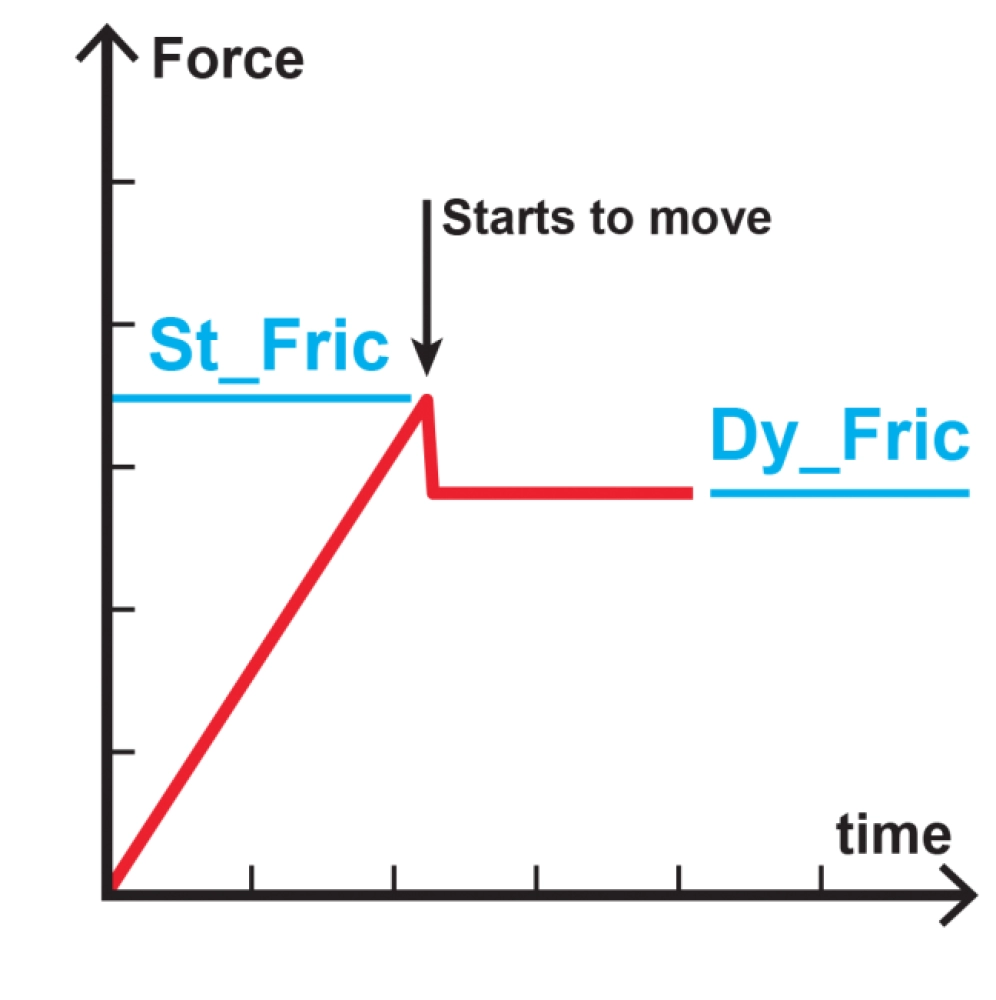
ASTM D1894 establishes test procedures for measuring static and dynamic friction coefficients of plastic materials, elastomers, and polymeric films. The standard employs either an inclined plane or sled method to quantify sliding resistance between surfaces in contact. These friction measurements are critical for evaluating material slip properties, directly impacting performance in packaging applications, protective coatings, and engineered components where controlled movement and surface interaction are essential design considerations.
ASTM D1894 standard webpage
ASTM D2412
Standard Test Method for Determination of External Loading Characteristics of Plastic Pipe by Parallel-Plate Loading
ASTM D2412 establishes a testing procedure to evaluate the ring stiffness of plastic, elastomeric, and composite pipes and conduits. The method measures resistance to diametral deformation by applying concentrated loads to pipe specimens in a ring configuration, replicating stresses encountered during installation and service conditions. Widely adopted for assessing structural quality of water, gas, and drainage lines, this standard ensures that piping materials maintain adequate geometric integrity and mechanical performance under realistic field loads.
ASTM D2412 standard webpage
ISO 6259-3
Thermoplastics pipes -- Determination of tensile properties -- Part 3: Polyolefin pipes
ISO 6259-3 establishes test methods for evaluating the mechanical properties of polyethylene pressure pipes, including tensile strength, elongation at break, and related characteristics. This international standard applies to PE tubes used in fluid transportation systems for both gaseous and liquid media. It defines comprehensive procedures for specimen sampling, material conditioning, and testing execution using specimens extracted from the pipe wall, ensuring consistent and comparable results across different manufacturers and testing laboratories worldwide.
ISO 6259-3 standard webpage
ISO 178
Plastics -- Determination of flexural properties
ISO 178 specifies test procedures for determining the flexural properties of rigid and semi-rigid plastics, including flexural modulus and flexural strength. Applicable to thermoplastic, thermoset, and composite materials, the standard employs a three-point bending method where rectangular specimens are loaded until fracture or a specified deformation is achieved. This test provides critical mechanical data for evaluating polymer behavior under bending stress, supporting material selection and qualification in structural applications.
ISO 178 standard webpage
ISO 604
Plastics -- Determination of compressive properties
ISO 604 establishes methods for determining the compressive strength of rigid plastics through standardized crushing tests. The standard applies to both thermoplastic and thermosetting polymers, as well as plastic matrix composite materials. It involves applying axial compressive force to standardized specimens while measuring deformation and maximum load capacity. This testing procedure enables engineers to evaluate the mechanical performance and load-bearing capability of plastic materials under compression, providing essential data for structural and engineering applications.
ISO 604 standard webpage
ISO 8295
Plastics -- Film and sheeting -- Determination of the coefficients of friction
ISO 8295 establishes the test method for evaluating ozone resistance of elastomers and elastomeric materials under both static and dynamic conditions. Applicable to natural rubber, synthetic rubber, and other elastomer types used in applications where ozone exposure poses a degradation risk, the standard specifies controlled exposure of test specimens to defined ozone concentrations in specialized chambers. The evaluation measures crack formation and changes in mechanical properties, providing essential data for assessing the durability of components subjected to atmospheric conditions or oxidizing industrial environments.
ISO 8295 standard webpage
ASTM D638
Standard Test Method for Tensile Properties of Plastics
ASTM D638 establishes standardized procedures for evaluating the tensile mechanical properties of rigid and semi-rigid plastics, including elastomers and vulcanized rubber materials. The standard quantifies critical parameters such as tensile strength, elongation at break, and elastic modulus through tensile testing performed on geometrically defined specimens. Applicable to a broad spectrum of thermoplastic, thermoset, and elastomeric polymers, it serves as an essential reference for material characterization, quality assurance, and performance validation in industrial manufacturing and materials testing laboratories.
ASTM D638 standard webpage
ASTM D790
Standard Test Methods for Flexural Properties of Unreinforced and Reinforced Plastics and Electrical Insulating Materials
ASTM D790 establishes test procedures for evaluating the flexural properties of rigid, semi-rigid, and elastomeric plastics under bending loads. The standard provides two complementary methods: deflection-based testing (Method A) and yield-point determination (Method B), both applying perpendicular loads to supported specimens to measure flexural modulus and flexural strength. Widely adopted across industries for characterizing thermoplastics, thermosets, and composite materials, it delivers critical data for engineering design and quality assurance of components exposed to bending stresses.
ASTM D790 standard webpage
ISO 527-1
Plastics -- Determination of tensile properties -- Part 1: General principles
ISO 527-1 establishes standardized procedures for evaluating the tensile mechanical properties of plastics and elastomers. It defines methods for determining key performance indicators such as tensile strength, elongation at break, and elastic modulus by applying controlled tensile stress to standardized test specimens. Applicable to thermoplastic and thermosetting polymers, elastomers, and composite materials, this standard ensures consistent sample preparation, testing protocols, and result interpretation across international markets, enabling reliable comparison of material performance data.
ISO 527-1 standard webpage
ISO 527-2
Plastics -- Determination of tensile properties -- Part 2: Test conditions for moulding and extrusion plastics
ISO 527-2 establishes test procedures for determining the tensile properties of plastic materials and composites, including tensile strength, elongation at break, and elastic modulus. The standard applies to unreinforced and moderately reinforced thermoplastic and thermoset polymers, utilizing standardized specimens subjected to controlled tensile loading until failure. These methods enable manufacturers and researchers to obtain reproducible and comparable data on polymer mechanical behavior, ensuring quality assessment and material selection across industrial applications and development programs.
ISO 527-2 standard webpage
ISO 527-3
Plastics -- Determination of tensile properties -- Part 3: Test conditions for films and sheets
ISO 527-3 specifies test methods for evaluating the tensile mechanical properties of plastic films and thin sheets. The standard establishes procedures to measure key parameters including tensile strength at break, elongation, and elastic modulus by applying progressive tensile force until specimen failure. Designed for plastic films and sheets thinner than 1 mm used in packaging, coatings, and industrial applications, this standard ensures consistent and reproducible results across different testing laboratories worldwide.
ISO 527-3 standard webpage
ISO 527-4
Plastics -- Determination of tensile properties -- Part 4: Test conditions for isotropic and orthotropic fibre-reinforced plastic composites
ISO 527-4 establishes test methods for determining the mechanical properties of rigid and semi-rigid plastics under tensile loading conditions. It applies to fiber-reinforced composites, laminates, and other structural polymeric materials, defining procedures to measure tensile strength, elastic modulus, and elongation at break. The test involves applying monotonically increasing loads to standardized specimens, enabling assessment of material mechanical behavior and quality according to internationally recognized parameters.
ISO 527-4 standard webpage
ISO 527-5
Plastics -- Determination of tensile properties -- Part 5: Test conditions for unidirectional fibre-reinforced plastic composites
ISO 527-5 specifies tensile testing methods for determining the mechanical properties of plastic sheets and films, including tensile strength, elongation at break, and elastic modulus. The standard applies to rigid and semi-rigid plastic materials, excluding elastomers and rubber compounds, and is essential for characterizing polymers, composites, and laminates. Testing is performed using standardized specimens subjected to tensile loading until failure, with measurements recorded via extensometry. The resulting data supports material qualification, quality control, and performance assessment in industrial applications.
ISO 527-5 standard webpage
ISO 2039-1
Plastics — Determination of hardness — Part 1: Ball indentation method
ISO 2039-1 establishes the method for measuring Brinell hardness in elastomers and plastics using a spherical indenter under static load. This international standard applies to elastomeric and plastic materials in sheet or slab form, evaluating their resistance to penetration through indentation testing. The procedure is essential for assessing surface mechanical properties and material rigidity, providing reliable comparative data for quality control and polymer characterization in industrial applications.
ISO 2039-1 standard webpage
ASTM D4894
Standard Specification for Polytetrafluoroethylene(PTFE)Granular Molding and Ram extrusion material
ASTM D4894 establishes a test method for evaluating the abrasion and wear resistance of elastomeric materials, including natural rubber, synthetic rubber, and elastomer blends. The procedure measures mass loss when a material sample is subjected to controlled rubbing against a standardized abrasive surface, simulating real-world wear conditions. This test applies to rubber compounds used in tires, technical articles, and friction-prone components. It provides quantitative data essential for assessing material durability and enabling comparative performance evaluation across different formulations.
ASTM D4894 standard webpage
ISO 36
Rubber, vulcanized or thermoplastic -- Determination of adhesion to textile fabrics
ISO 36 establishes standardized test procedures for evaluating the cut and tear resistance of vulcanized rubber materials. The standard applies to natural and synthetic elastomers used in industrial and consumer applications, determining their ability to withstand mechanical damage from abrasion and friction. Test specimens are subjected to controlled mechanical stresses to assess material performance and durability, ensuring reliable behavior in demanding operational environments where wear resistance is critical.
ISO 36 standard webpage
ISO 37
Rubber, vulcanized or thermoplastic -- Determination of tensile stress-strain properties
ISO 37 specifies the test method for determining tensile strength and elongation at break of elastomeric materials, including natural and synthetic rubbers, elastomers, and selected plastics. The procedure involves extending standardized test specimens until failure while recording the maximum load and corresponding elongation. This fundamental mechanical property test is essential for assessing material performance and ensuring quality compliance across automotive, industrial, and consumer product applications.
ISO 37 standard webpage
ISO 813
Rubber, vulcanized or thermoplastic — Determination of adhesion to a rigid substrate — 90° peel method
ISO 813 defines the methodology for measuring elastomer hardness using Shore durometers on the A and D scales. This international standard applies to vulcanized rubbers, thermoplastic elastomers, and related polymeric materials, encompassing both laboratory specimens and finished products. The test procedure involves pressing a standardized indenter into the material surface and determining penetration depth to establish hardness values. Essential for quality control and mechanical property characterization, ISO 813 ensures consistent hardness assessment across elastomeric materials in industrial applications.
ISO 813 standard webpage
ISO 814
Rubber, vulcanized or thermoplastic -- Determination of adhesion to metal -- Two-plate method
ISO 814 defines the test procedure for measuring the dynamic resilience (rebound) of rubber and elastomeric materials using Dunlop or Lupke apparatus. The method involves dropping a standardized weight onto a material specimen and measuring the resulting rebound height as a percentage of the initial drop height. Applicable to vulcanized rubbers, elastomers, and polymeric materials, this standard provides essential data on elastic recovery and material quality for production control and technical specifications.
ISO 814 standard webpage
ISO 1421
Rubber- or plastics-coated fabrics - Determination of tensile strength and elongation at break
ISO 1421 specifies the method for determining peel resistance of vulcanized rubber, applicable to both natural and synthetic elastomers. The test measures the force required to separate a rubber specimen from a reference surface under standardized conditions that simulate real-world stress scenarios. This procedure is essential for evaluating the adhesion quality and long-term durability of rubber coatings and bonds, ensuring products maintain their required performance characteristics throughout their service life.
ISO 1421 standard webpage
ISO 1827
Rubber, vulcanized or thermoplastic -- Determination of shear modulus and adhesion to rigid plates -- Quadruple-shear methods
ISO 1827 specifies test methods for assessing the plasticity and elastic recovery of elastomers through compression testing. This procedure evaluates the viscoelastic behavior of rubber materials, determining their ability to deform under load and restore their original shape after compression is removed. Applicable to both natural and synthetic rubbers, the standard provides essential characterization data for raw material quality control and process compliance in elastomer manufacturing and transformation industries.
ISO 1827 standard webpage
ISO 2411
Rubber- or plastics-coated fabrics -- Determination of coating adhesion
ISO 2411 establishes the test procedure for measuring tear resistance in vulcanized elastomers and rubber compounds. The method involves subjecting standardized test specimens to tensile stress until failure, quantifying the energy required to propagate an existing tear. Applicable to natural rubber, synthetic rubbers, and vulcanized blends, this standard provides critical data for assessing the mechanical durability and performance characteristics of elastomeric materials across industrial and consumer applications.
ISO 2411 standard webpage
ISO 34-1
Rubber, vulcanized or thermoplastic -- Determination of tear strength -- Part 1: Trouser, angle and crescent test pieces
ISO 34-1 establishes standardized procedures for measuring the tear resistance of elastomeric materials, a critical mechanical property that determines product performance and durability. The standard specifies testing methodologies using defined specimen geometries subjected to tensile stress until failure, enabling reliable and reproducible assessment of initial tear strength. Applicable to vulcanized elastomers, natural and synthetic rubbers, and elastomeric compounds, this test method provides essential quality control data for ensuring the reliability of rubber and elastomer products in demanding applications.
ISO 34-1 standard webpage
ISO 5600
Rubber -- Determination of adhesion to rigid materials using conical shaped parts
ISO 5600 establishes a test method for evaluating the static shear strength of vulcanized rubbers and elastomeric materials through peel testing on rectangular specimens. The procedure applies progressive tensile force to notched test samples until failure, measuring the maximum shear resistance achieved. This standardized approach enables manufacturers to assess the internal cohesion and shear performance of elastomers, providing critical data for quality control and predicting material behavior under shear-related stresses in service applications.
ISO 5600 standard webpage
ISO 5893
Rubber and plastics test equipment -- Tensile, flexural and compression types (constant rate of traverse) -- Specification
ISO 5893 establishes the standardized method for measuring the hardness of elastomeric materials using durometer instruments on the Shore A and Shore D scales. Applicable to vulcanized rubber, thermoplastic elastomers, and solid elastomeric compounds, this test determines resistance to indentation by a conical penetrator. The technique provides rapid assessment of material rigidity and mechanical properties, making it essential for quality control and comprehensive characterization of elastomeric products throughout manufacturing and final testing phases.
ISO 5893 standard webpage
ISO 6133
Rubber and plastics -- Analysis of multi-peak traces obtained in determinations of tear strength and adhesion strength
ISO 6133 establishes test procedures for evaluating the abrasion resistance of elastomers and rubber materials using a rotating drum wear apparatus. This international standard applies to vulcanized elastomeric materials, both natural and synthetic, used in demanding applications such as tires and industrial rubber components. The measurement principle relies on assessing mass loss of samples subjected to controlled friction contact, delivering quantitative data essential for assessing material durability and performance under simulated wear conditions.
ISO 6133 standard webpage
ISO 6914
Rubber, vulcanized or thermoplastic— Determination of ageing characteristics by measurement of stress relaxation in tension
ISO 6914 establishes the test method for determining tear resistance of elastomers and rubber materials, both natural and synthetic. The standard defines procedures for initiating controlled cuts in rubber specimens and measuring the force required to propagate the tear under specified conditions. This testing approach provides a reliable assessment of material durability and quality, making it essential for elastomeric components subjected to mechanical stress. The method ensures consistent performance and reliability across critical applications where resistance to tearing is a key performance requirement.
ISO 6914 standard webpage
ISO 7743
Rubber, vulcanized or thermoplastic -- Determination of compression stress-strain properties
ISO 7743 specifies the test method for measuring hardness of elastomers and rubber materials using the IRHD (International Rubber Hardness Degrees) indentation technique. This international standard applies to elastomeric materials of various compositions and establishes the procedure for assessing hardness through controlled penetration of a standardized indenter into the test specimen. The method is fundamental for quality control and mechanical characterization of finished products, ensuring consistent and comparable results across different testing laboratories worldwide.
ISO 7743 standard webpage
ISO 9026
Raw rubber or unvulcanized compounds — Determination of green strength
ISO 9026 establishes procedures for measuring tensile strength and elongation at break in vulcanized elastomers and plastics. The standard defines a tensile test method where standardized specimens are subjected to controlled stretching until failure, quantifying both the maximum force sustained and the percentage extension achieved. It applies to various elastomeric materials including natural and synthetic rubbers, as well as selected polymers. By specifying precise specimen geometry, testing speed, and environmental conditions, the standard ensures reliable and reproducible results across different laboratories and enables meaningful comparison of material performance.
ISO 9026 standard webpage
ASTM D412
Standard Test Methods for Vulcanized Rubber and Thermoplastic Elastomers—Tension
ASTM D412 specifies test methods for evaluating the mechanical properties of elastomers and rubber compounds, including tensile strength, elongation at break, and elastic modulus. The standard applies to both vulcanized and unvulcanized elastomeric materials and employs standardized test specimens subjected to uniaxial tension until failure using universal testing equipment. These measurements ensure consistent and comparable performance data across different rubber formulations, enabling manufacturers to verify compliance with industrial specifications and quality requirements.
ASTM D412 standard webpage
ASTM D429
Standard Test Methods for Rubber Property—Adhesion to Rigid Substrates
ASTM D429 establishes test methods for evaluating adhesion between elastomers and metal reinforcements, particularly the bond strength between rubber and steel in tires and technical rubber products. Applicable to vulcanized rubbers bonded with metal wires or fabrics, the standard employs peel and tensile tests to quantify adhesion effectiveness. These measurements are critical for ensuring reliability and durability of composite assemblies such as tires, conveyor belts, and transmission belts that depend on robust rubber-to-metal interfaces.
ASTM D429 standard webpage
ASTM D575
Standard Test Methods for Rubber Properties in Compression
ASTM D575 establishes standardized procedures for measuring the hardness of elastomers and vulcanized rubber materials using Shore A and Shore D scales. The test evaluates material resistance to penetration by a calibrated indenter, providing quantitative assessment of material stiffness and mechanical properties. This fundamental characterization method is widely used in quality control, material selection, and performance validation across industrial and commercial applications where elastomer hardness directly influences functional behavior and durability.
ASTM D575 standard webpage
ASTM D624
Standard Test Method for Tear Strength of Conventional Vulcanized Rubber and Thermoplastic Elastomers
ASTM D624 evaluates the tear resistance of elastomers and rubber materials through tensile testing of notched specimens under standardized conditions. The test determines the maximum force required to propagate a tear through the material, providing essential data on durability and structural integrity. Applicable to vulcanized rubbers, thermoplastic elastomers, and related polymeric materials, this method serves as a critical quality control tool for assessing performance in demanding mechanical applications and ensuring materials meet specified engineering requirements.
ASTM D624 standard webpage
ISO 15113
Rubber -- Determination of frictional properties
ISO 15113 establishes a method for assessing the resistance of elastomeric materials to heat and oxidative degradation through accelerated aging testing. The standard applies to natural rubber, synthetic rubber, and various elastomers, subjecting them to controlled temperature and oxygen exposure conditions. The evaluation monitors changes in mechanical properties—including hardness, tensile strength, and elongation—before and after aging cycles, generating critical data on material durability and performance stability under service conditions.
ISO 15113 standard webpage
EN 681-1
Elastomeric seals - Materials requirements for pipe joint seals used in water and drainage applications- Part 1: Vulcanized rubber
EN 681-1 specifies the requirements and test methods for hydraulic sealing components manufactured from elastomers, particularly O-rings and guide rings. The standard establishes performance criteria for both natural and synthetic rubber materials, covering essential mechanical properties such as hardness, tensile strength, elongation at break, and compression set. Through standardized testing procedures and dimensional tolerances, EN 681-1 ensures reliable performance and compatibility in hydraulic fluid systems, guaranteeing safety and durability in demanding industrial applications.
EN 681-1 standard webpage
ASTM D1456
Standard Test Method for Rubber Property—Elongation at Specific Stress
ASTM D1456 establishes the test method for measuring tensile strength and elongation at break in vulcanized elastomers and rubber materials. Applicable to both natural and synthetic rubber specimens, this standard prescribes detailed procedures for sample preparation, elongation rates, and environmental test conditions. Using a tensile testing instrument, the method quantifies the maximum force the material can withstand before failure and the corresponding percentage elongation, providing critical performance data for assessing the mechanical quality of elastomeric products across industrial and commercial applications.
ASTM D1456 standard webpage
ASTM D6746
Determination of Green Strength and Stress Relaxation of Raw Rubber or Unvulcanized Compounds
ASTM D6746 establishes a test method for evaluating the abrasion resistance of elastomeric and rubber materials using a rotating abrasive element under controlled load conditions. This standard applies to vulcanized elastomers, natural and synthetic rubbers, and polymeric materials in applications where surface wear is a critical performance factor. The test quantifies material loss by measuring mass reduction or volume removal, providing essential data for assessing the durability and service performance of components subjected to friction and mechanical wear.
ASTM D6746 standard webpage
ISO 3384-1
Rubber, vulcanized or thermoplastic -- Determination of stress relaxation in compression -- Part 1: Testing at constant temperature
ISO 3384-1 establishes test procedures for measuring stress relaxation in elastomers and rubber materials subjected to constant-temperature compression. Designed for solid elastomeric materials, this standard quantifies the progressive loss of compressive force over time when samples are held at constant deformation under defined thermal conditions. The data obtained are critical for assessing the long-term durability and performance reliability of rubber seals, gaskets, and other elastomeric components in automotive, industrial, and sealing applications.
ISO 3384-1 standard webpage
DIN 53_530
Trennversuch an haftend verbundenen Gewebelagen - Test for separating layers of laminated woven Fabrics
DIN 53530 specifies the tear resistance of elastomers, rubbers, and elastomeric materials through standardized tensile testing procedures. The method employs defined test specimens (tropelius or angular geometries) subjected to progressive loading until rupture, quantifying the energy required for crack propagation. Applicable to natural rubber, synthetic rubber, and vulcanized elastomers, this standard is essential for assessing durability and quality of elastomeric components in demanding automotive, industrial, and consumer applications, ensuring reliable performance under operational stress.
DIN 53_530 standard webpage
PSA D41 1315
TUYAUX CAOUTCHOUC OU PLASTOMERE ADHERENCE ENTRE LES ELEEMNTS CONSTITUTIFS D'UN TUYOU
PSA D41 1315 establishes standardized procedures for evaluating the thermal aging resistance of elastomers and rubber compounds when exposed to elevated temperatures over extended periods. This test method applies to vulcanized elastomers, including natural and synthetic rubbers, assessing changes in key mechanical properties such as hardness, elongation at break, and tensile strength. By subjecting specimens to controlled thermal conditions and subsequently measuring residual properties, the standard enables manufacturers to predict component durability and long-term performance in demanding high-temperature service environments.
PSA D41 1315 standard webpage
FIAT 9.02136/01
Rubber Hoses and Sleeves for Engine Cooling Liquid. Par 2.7.7: Inner tube/cover adhesion test
FIAT 9.02136/01 specifies test procedures for determining tensile strength and elongation at break of elastomeric and plastic materials used in automotive components. The standard establishes specimen preparation methods and testing protocols to evaluate mechanical performance under uniaxial stress conditions. Applicable to elastomers, thermoplastics, and composite materials in automotive applications, this method provides critical performance data for assessing the quality and suitability of rubber and plastic components to meet FIAT technical requirements.
FIAT 9.02136/01 standard webpage
ATE N_553_59_25
Coefficient of friction of O-Rings
I appreciate your request, but I must inform you that standard ATE N_553_59_25 does not appear in recognized technical standards databases for the rubber, elastomer, and plastics industry. This designation does not correspond to established standards from major organizations such as ISO, DIN, EN, ASTM, or other internationally recognized bodies. To provide an accurate technical description, I would require verification of the correct standard code and access to the original normative documentation. Please confirm the standard's designation and source to ensure precise information.
ATE N_553_59_25 standard webpage
ISO 8033
Rubber and plastics hoses -- Determination of adhesion between components
ISO 8033 establishes the procedure for determining tensile strength and elongation at break of vulcanized elastomers and rubber materials through standardized tensile testing. The standard specifies sample preparation requirements, test speed parameters, and environmental conditions necessary for consistent results. By measuring the stress-strain relationship until specimen failure, this test method provides critical mechanical property data essential for assessing material quality, performance reliability, and suitability for industrial applications in elastomeric components and products.
ISO 8033 standard webpage
EN 13618
Flexible hose assemblies in drinking water installations - Functional requirements and test
EN 13618 establishes the test procedure for evaluating the ozone resistance of vulcanized elastomers and rubber compounds exposed to controlled conditions of ozone concentration, temperature, and mechanical stress. Designed for elastomeric materials used in industrial and automotive applications, this standard provides a standardized methodology to assess material durability and suitability in oxidizing environments. The test measures the formation and propagation of surface cracks on stressed samples exposed to ozone, delivering reliable indicators of resistance to chemical aging and oxidative degradation.
EN 13618 standard webpage
JIS K_6330-6
Testing methods for rubber and Plastic hoses - Part 6: Determination of adhesion between components
JIS K 6330-6 specifies test methods for evaluating tear resistance of vulcanized rubbers and elastomeric materials used in industrial components and consumer products. The standard employs standardized test specimens subjected to controlled tensile loading to measure the material's ability to resist tear propagation. By quantifying the energy required to initiate and propagate tears, this testing protocol ensures that elastomeric products meet durability and safety requirements for demanding applications where resistance to tearing is critical for performance and reliability.
JIS K_6330-6 standard webpage
ASTM D751
Standard Test Methods for Coated Fabrics
ASTM D751 establishes standardized test methods for evaluating the mechanical and physical properties of rubber and plastic-coated fabrics. This standard applies to composite materials used in demanding applications such as inflatable structures, pool liners, protective coatings, and technical textiles. The test procedures measure critical performance characteristics including tear resistance, tensile strength, abrasion durability, and water impermeability, ensuring that coated fabrics meet required performance standards for their intended end-use applications.
ASTM D751 standard webpage
ISO 10319
Geosynthetics -- Wide-width tensile test
ISO 10319 establishes the test method for determining tensile strength and elongation at break of geotextiles and related tape products used in geotechnical and civil engineering applications. The standard specifies procedures for subjecting textile material samples to uniaxial tensile loading until failure, enabling accurate assessment of mechanical properties essential for field performance prediction. The resulting data supports design validation and quality control of geotextile installations in demanding infrastructure projects.
ISO 10319 standard webpage
EN 12228
Surfaces for sports areas. Determination of joint strength of synthetic surfaces
EN 12228 specifies the test method for determining tensile strength and elongation at break of elastomeric materials, including vulcanized rubbers and elastomers. The standard applies to test specimens obtained from both finished products and raw compound mixtures, using uniaxial tension testing until specimen failure. The procedure employs standardized specimens and universal testing equipment to measure maximum load capacity and corresponding deformation. These mechanical property measurements are fundamental for assessing material quality and performance suitability across diverse industrial applications.
EN 12228 standard webpage
ISO 12236
Geosynthetics -- Static puncture test (CBR test)
ISO 12236 specifies a puncture resistance test method for geomembranes and elastomeric materials used in waterproofing and containment applications. The procedure involves applying increasing force through a conical plunger until material failure occurs, with measurement of the maximum force required for perforation. Applicable to synthetic geomembranes, elastomers, and plastomers, this standard provides essential performance data to assess material durability and suitability in demanding environments such as landfills, containment ponds, and drainage systems.
ISO 12236 standard webpage
ASTM D4776
Adhesion of Tire Cords and Other Reinforcing Cords to Rubber Compounds by H-Test Procedure
ASTM D4776 establishes the test procedure for measuring peel resistance of vulcanized elastomers and elastomeric adhesives bonded to rigid substrates. Applicable to natural rubber, synthetic elastomers, and elastomer-based adhesive products in industrial applications, this standard quantifies the force required to separate the elastomer from its substrate under controlled peeling conditions. The test employs standardized speed and angle parameters to generate reliable adhesion data, enabling manufacturers to assess bond quality and performance of elastomeric assemblies in demanding service environments.
ASTM D4776 standard webpage











 Support request form
 Italiano
 English
 Español
 Français
 Deutsch
 Português
 Polskie
 Čeština
 Magyar
 Русский
 Türk
Türk 中文
中文 日本人
日本人 한국어
한국어 Arab
Arab