Rubber & Elastomers
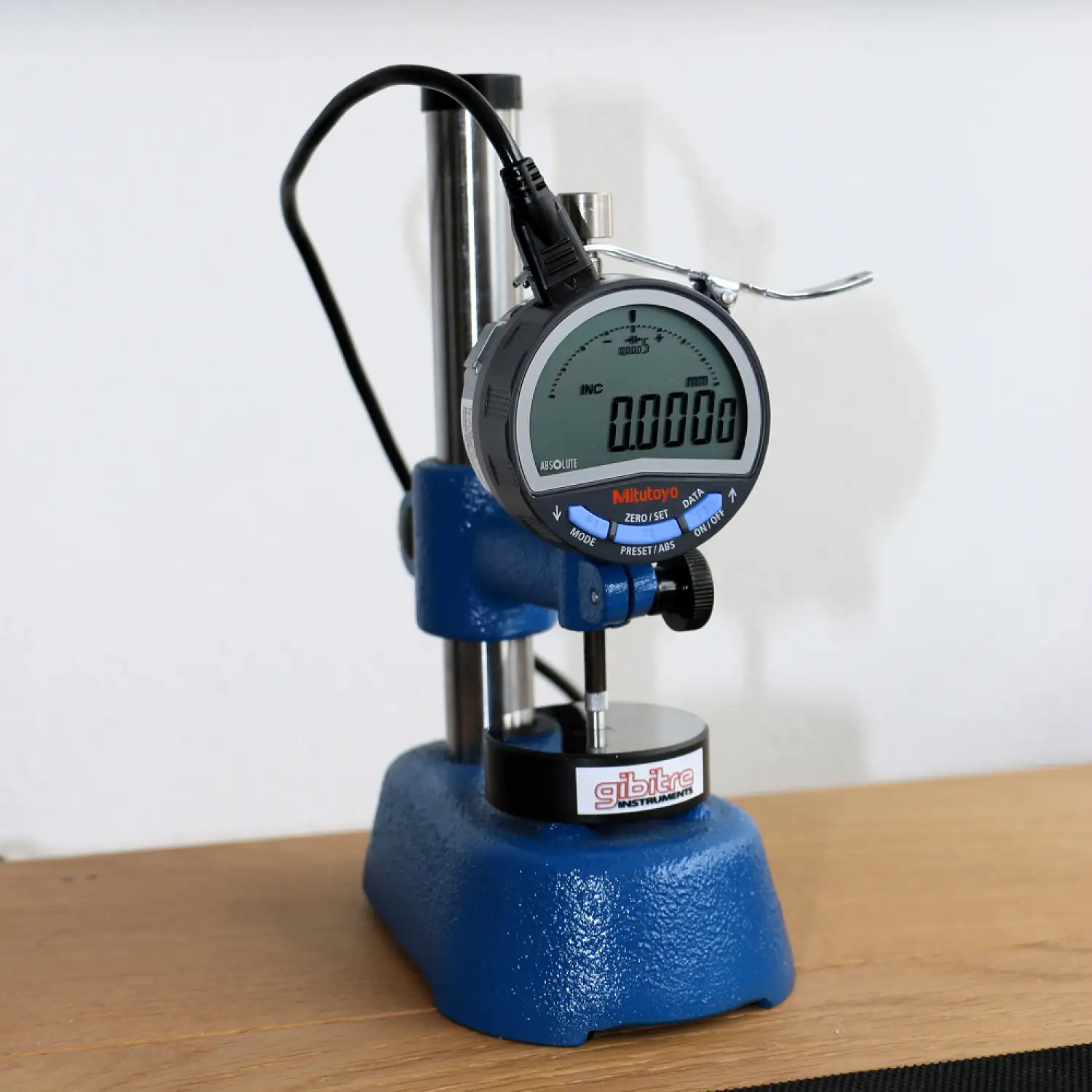
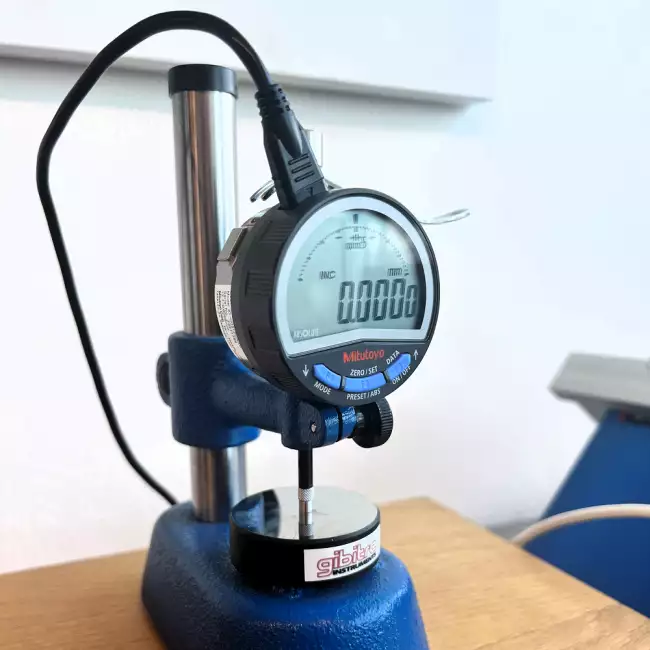
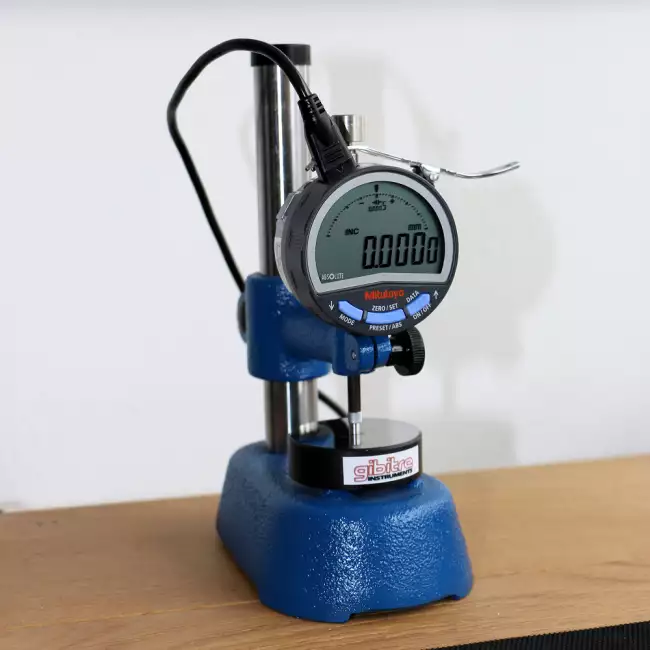
Rubber, vulcanized or thermoplastic -- Determination of compression set -- Part 1: At ambient or elevated temperaturesISO 815Rubber -- General procedures for preparing and conditioning test pieces for physical test methodsISO 23529Elastomeric seals - Materials requirements for pipe joint seals used in water and drainage applications- Part 1: Vulcanized rubberEN 681-1Elastomeri - Prove su vulcanizzati - Deformazione residua dopo compressione a forza imposta a temperature normali ed elevate UNI 4913-2Standard Test Methods for Rubber Property—Compression SetASTM D395-AStandard Test Methods for Rubber Property—Compression SetASTM D395-B
PV 3307
Elastomer Components - Plastic and Elastic Deformability
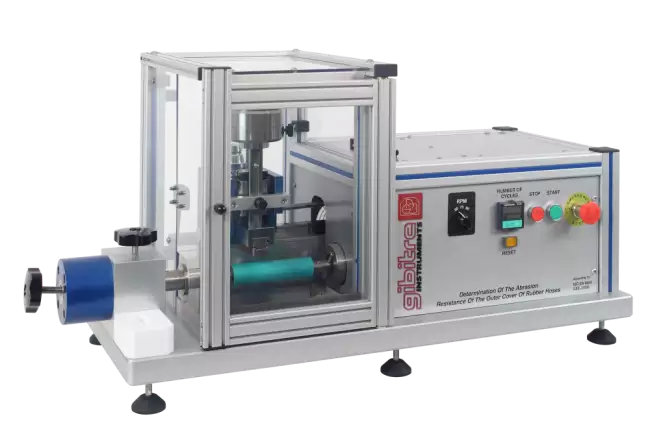
PV 3307 evaluates the abrasion resistance of elastomeric materials using a rotating abrasion wheel test method. The procedure involves controlled contact between a test specimen and a moving abrasive surface, quantifying material degradation through mass or volume loss measurements. Applicable to vulcanized rubbers, thermoplastic elastomers, and elastic polymeric materials, this standard is essential for assessing durability and performance in wear-prone applications such as tires, seals, and technical rubber products.
PV 3307 standard webpage
PV 3330
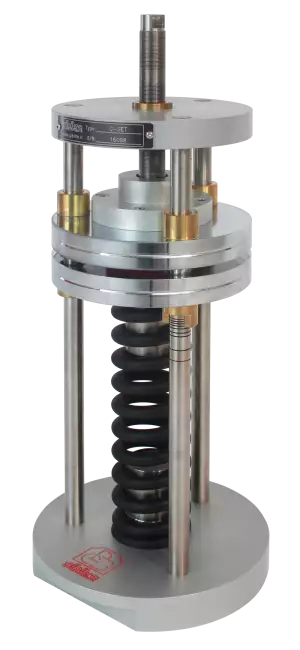
Elastomer O-Ring Seals Compression Set (Permanent Deformation)
PV 3330 establishes test procedures for evaluating thermal aging resistance in vulcanized elastomers and rubber compounds. The standard requires exposing material samples to controlled elevated temperatures for specified durations, followed by assessment of mechanical property changes including hardness, tensile strength, and elongation at break. Designed for elastomeric formulations intended for high-temperature service environments, this specification ensures component reliability and durability under demanding thermal conditions.
PV 3330 standard webpage
FIAT 50410
NON-METALLIC MATERIAL TESTS - Elastomer compression set under constant load and constant deflection
FIAT 50410 establishes requirements for thermal aging resistance of elastomeric materials in automotive applications. The specification evaluates material performance under prolonged exposure to elevated temperatures by measuring changes in mechanical properties—including hardness, tensile strength, and elongation—following oven aging cycles. Applicable to vulcanized rubbers, thermoplastic elastomers, and elastomeric sealing components, gaskets, and other critical automotive elements, this test method ensures material durability and reliability under severe operational conditions.
FIAT 50410 standard webpage
FCA 9.02132/01
Flexible Sleeves For Air Conduction To The Boosting Circuits
This specification establishes requirements for evaluating thermal resistance and aging characteristics of elastomeric materials used in Fiat automotive components. The standard prescribes accelerated heat aging protocols with controlled temperature exposure over defined periods, followed by assessment of mechanical property changes including hardness, elongation at break, and tensile strength. It applies to seals, gaskets, and other elastomer-based parts subjected to severe thermal environments in engine compartments and similar demanding automotive applications.
FCA 9.02132/01 standard webpage
ISO 1856
Flexible cellular polymeric materials -- Determination of compression set
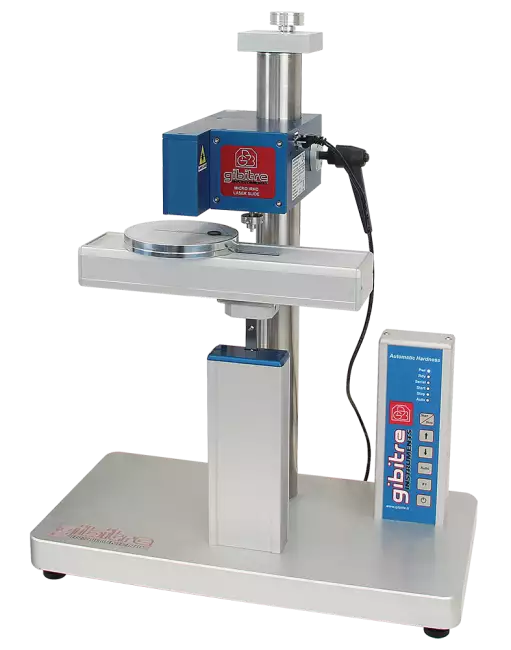
ISO 1856 establishes the methodology for measuring the hardness of elastomeric materials, including natural rubber, synthetic rubber, and general elastomeric compounds. The standard employs an indentation test using a standardized penetrometer to assess the depth of indentation under specified load and contact time. Results are expressed on the Shore A or Shore D hardness scale, providing essential quality control data throughout manufacturing and in finished product evaluation. This test method is fundamental for verifying the mechanical properties and performance characteristics of rubber and elastomer-based products across industrial applications.
ISO 1856 standard webpage
ASTM D1056
Standard Specification for Flexible Cellular Materials—Sponge or Expanded Rubber
ASTM D1056 defines test methods for evaluating the physical and mechanical properties of elastomeric foam materials, commonly used in industrial, automotive, and sealing applications. The standard establishes procedures for measuring key parameters including density, hardness, tensile strength, elongation, and compression behavior. Through standardized testing protocols, this specification ensures that foam rubber products meet required performance criteria and demonstrate appropriate elasticity and durability characteristics for their intended use.
ASTM D1056 standard webpage
ASTM D3574
Standard Test Methods for Flexible Cellular Materials—Slab, Bonded, and Molded Urethane Foams
ASTM D3574 establishes standardized test methods for evaluating the physical and mechanical properties of polymeric foams, including polyurethane and elastomeric formulations. The standard defines procedures for measuring key parameters such as density, hardness, compressive strength, resilience, and tensile behavior. Applicable to both rigid and flexible foam materials used in thermal insulation, cushioning, and industrial applications, this specification ensures consistent quality assessment and performance validation across the expanded polymer industry.
ASTM D3574 standard webpage
ISO 6916-1
Flexible cellular polymeric materials -- Sponge and expanded cellular rubber products -- Specification -- Part 1: Sheeting
ISO 6916-1 establishes test procedures for evaluating the tensile strength and elongation at break of unvulcanized rubber tubing employed in industrial and automotive applications. The standard applies to elastomeric tubes designed for fluid transport, excluding vulcanized products. The test method involves applying progressive tensile force to a specimen until failure, measuring both the maximum load capacity and the percentage extension achieved. These mechanical property assessments are essential for verifying product quality and reliability, ensuring safe operational performance in demanding service conditions.
ISO 6916-1 standard webpage
ISO 6916-2
Flexible cellular polymeric materials – Sponge and expanded cellular rubber products – Specification – Part 2: Mouldings and extrusions
ISO 6916-2 establishes the procedure for evaluating abrasion resistance of elastomeric materials through a rotating drum method. This international standard measures material loss by mass or volume when rubber specimens are subjected to controlled friction under defined test conditions. Applicable to natural and synthetic rubbers, as well as vulcanized elastomers intended for wear-resistant components, the method ensures consistent and comparable results across different testing laboratories and manufacturers worldwide.
ISO 6916-2 standard webpage
ASTM D1414
Standard Test Methods for Rubber O-Rings
ASTM D1414 establishes test methods for evaluating the tensile strength and elongation at break of elastomeric materials and rubbers subjected to high deformation. Standardized test specimens are subjected to tensile loading until failure, with measurement of both the maximum force applied and the percentage extension achieved. Primarily applicable to vulcanized rubbers, synthetic elastomers, and elastomeric compounds, this standard provides critical mechanical performance data essential for assessing product quality and material suitability across diverse industrial applications.
ASTM D1414 standard webpage
ISO 815
Rubber, vulcanized or thermoplastic -- Determination of compression set -- Part 1: At ambient or elevated temperatures
ISO 815 specifies the test method for measuring compression set in vulcanized rubber and elastomeric materials. This property represents the permanent deformation that remains after a compressive load is removed following a defined exposure period at specified temperatures. The standard applies to natural rubber, synthetic rubber, and elastomer-based sealing and industrial components. By quantifying resistance to permanent deformation, ISO 815 provides essential data for assessing material durability and aging resistance in demanding applications.
ISO 815 standard webpage
ISO 23529
Rubber -- General procedures for preparing and conditioning test pieces for physical test methods
ISO 23529 establishes test methods for measuring the tear resistance of elastomers and rubber materials, including both natural and synthetic types. The standard applies to specimens and finished components in sheet form, employing tension-based procedures with various specimen geometries to quantify the energy required to propagate tears. By determining tear strength across different configurations, ISO 23529 enables manufacturers to assess the durability and structural integrity of elastomeric products in demanding applications where resistance to crack initiation and propagation is critical for safety and long-term performance.
ISO 23529 standard webpage
EN 681-1
Elastomeric seals - Materials requirements for pipe joint seals used in water and drainage applications- Part 1: Vulcanized rubber
EN 681-1 specifies the requirements and test methods for hydraulic sealing components manufactured from elastomers, particularly O-rings and guide rings. The standard establishes performance criteria for both natural and synthetic rubber materials, covering essential mechanical properties such as hardness, tensile strength, elongation at break, and compression set. Through standardized testing procedures and dimensional tolerances, EN 681-1 ensures reliable performance and compatibility in hydraulic fluid systems, guaranteeing safety and durability in demanding industrial applications.
EN 681-1 standard webpage
UNI 4913-2
Elastomeri - Prove su vulcanizzati - Deformazione residua dopo compressione a forza imposta a temperature normali ed elevate
UNI 4913-2 establishes test methods for determining the hardness of elastomers and rubber materials using a durometer, employing both Shore A and Shore D hardness scales. Applicable to vulcanized elastomeric materials, semi-finished products, and finished articles, this standard measures resistance to indentation by a standardized penetrator. The resulting hardness values characterize the material's rigidity and stiffness, providing essential data for quality control, technical specification, and performance assessment in elastomer-based industrial applications.
UNI 4913-2 standard webpage
ASTM D395-A
Standard Test Methods for Rubber Property—Compression Set
ASTM D395-A establishes the procedure for measuring hardness in elastomers and elastomeric materials using a Shore A durometer. Applicable to natural rubber, synthetic rubber, and elastomeric compounds across industrial and commercial applications, this test method evaluates material hardness by measuring the indentation depth created by a standardized penetrator pressed into the material surface over 15 seconds. The resulting Shore A value, ranging from 0 to 100, quantifies the material's resistance to elastic deformation and provides an indication of its overall rigidity and performance characteristics.
ASTM D395-A standard webpage
ASTM D395-B
Standard Test Methods for Rubber Property—Compression Set
ASTM D395-B establishes procedures for measuring the compression set of elastomers and plastics, quantifying permanent deformation after exposure to controlled compressive stress and temperature conditions. This method employs a standardized 1-inch diameter indenter with defined measurement intervals, typically extending to 22 hours, to assess elastic recovery. Applicable to natural and synthetic rubbers, thermoplastic elastomers, and various plastics, the test evaluates material resilience and dimensional stability under prolonged mechanical loading, ensuring adequate performance in demanding applications where resistance to permanent set is critical.
ASTM D395-B standard webpage












 Support request form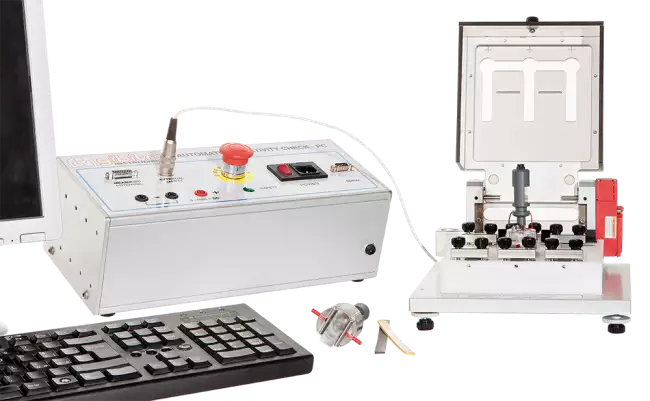
 Italiano
 English
 Español
 Français
 Deutsch
 Português
 Polskie
 Čeština
 Magyar
 Русский
 Türk
Türk 中文
中文 日本人
日本人 한국어
한국어 Arab
Arab